










Keep your systems running when the internet drops or the power doesn't cooperate.
Namibia does not run on perfect conditions. Neither should your systems.

The story
Most software is designed on a fast connection, in a building where the power stays on, and then deployed into a country where neither is guaranteed. The failure mode is discovered on the worst possible day: the middle of month-end, with a queue at the counter and a blinking router.
We design against that day first. Data is captured so it survives a dropped session, queued work syncs when the link returns, and every screen has a degraded path that still does the job instead of a spinner that never resolves. Power is treated as a design input, not an assumption.
This is not a feature we add at the end. It is the order we build in: the failure mode is specified, designed for, and verified before the happy path gets polished.
Where it sits. Registered under Information and Communications Technology on the legal record. The company page carries the registration detail in full.
What gets delivered
- Offline-capable data capture that survives dropped sessions
- Sync-when-connected architecture with conflict rules written down
- Graceful degradation paths for every critical screen
- Power and failover behaviour specified, not assumed
- Recovery runbooks your team can follow at 06:00 on a Monday
- Monitoring tuned to local link conditions, not data-centre averages
Case study
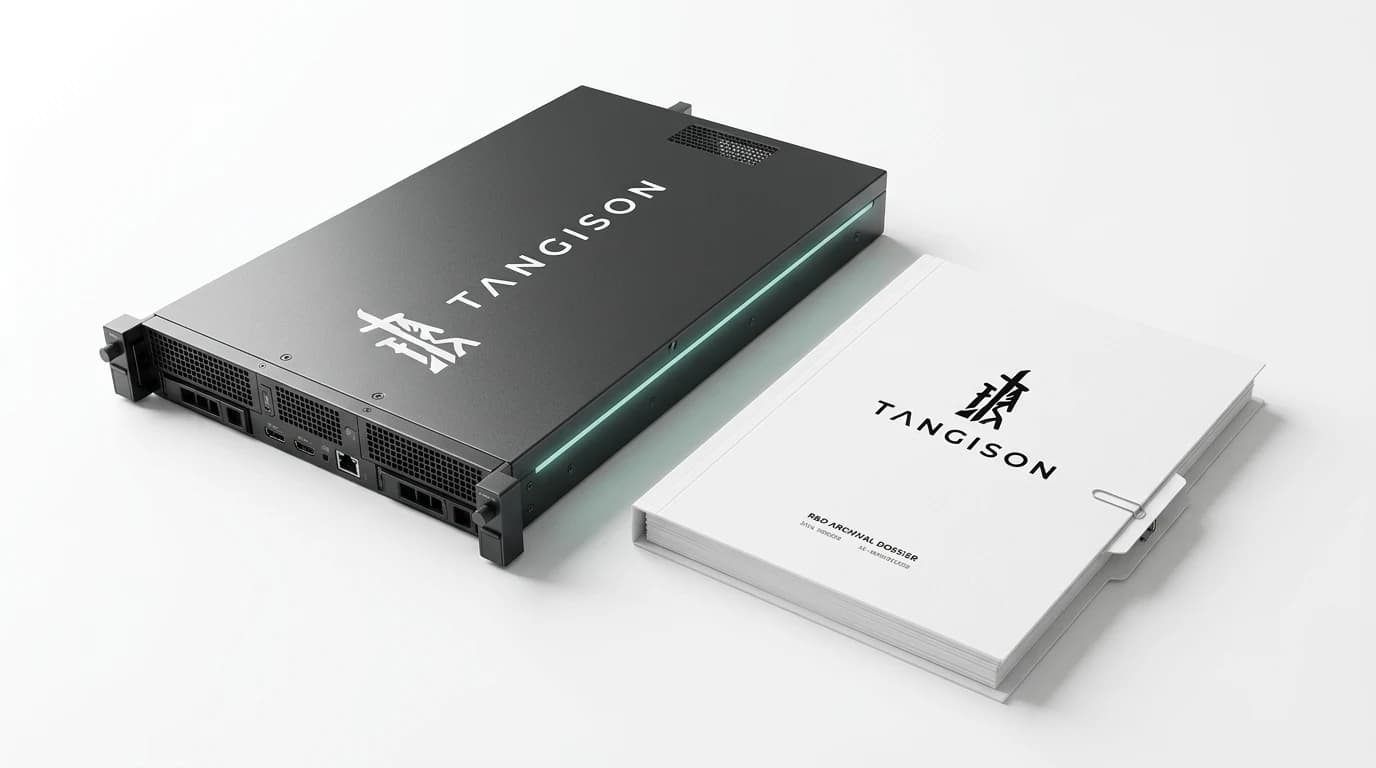
The field-condition research line
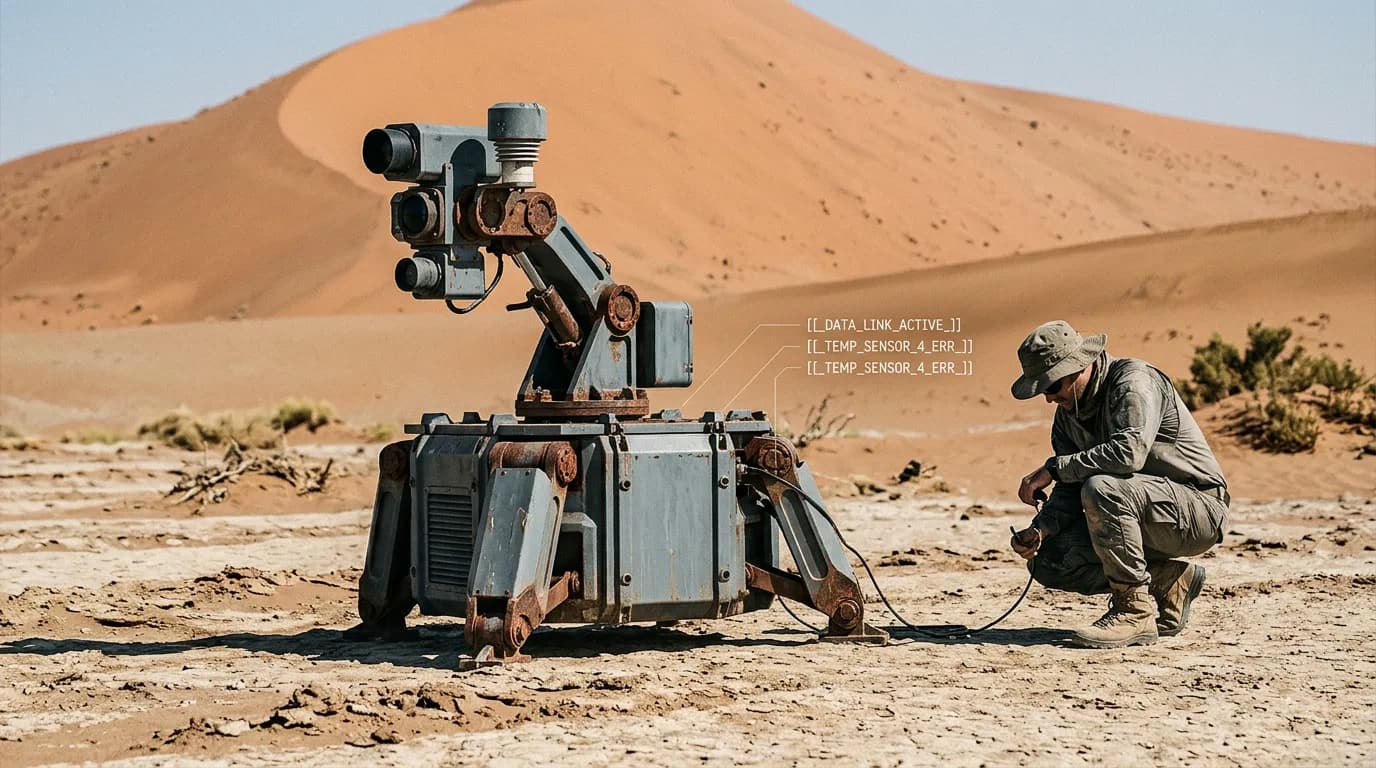
Our in-house applied research programme studies systems that tolerate late data, intermittent links, and uneven infrastructure: the conditions our clients actually operate under.
The findings feed directly into client builds. The research line is active and the work is documented as it matures.
Active, in-house.

Related
Other ways we help.
- Set up infrastructure that doesn't assume fast, always-on connectivity.
- Move off spreadsheets into a system that doesn't fall over under real use.
- Build an AI tool that does one job well instead of promising to do everything.
- Turn a stack of manual paperwork into a process your team can actually keep up with.