








Turn a stack of manual paperwork into a process your team can actually keep up with.
If the process only exists on paper, it stops every time the paper is filed.

The story
A manual process has a hidden cost curve: it works at ten forms a day, strains at fifty, and breaks quietly at two hundred. The people who feel it first are never the ones who decided to keep it manual. They are the ones doing the filing at 17:30.
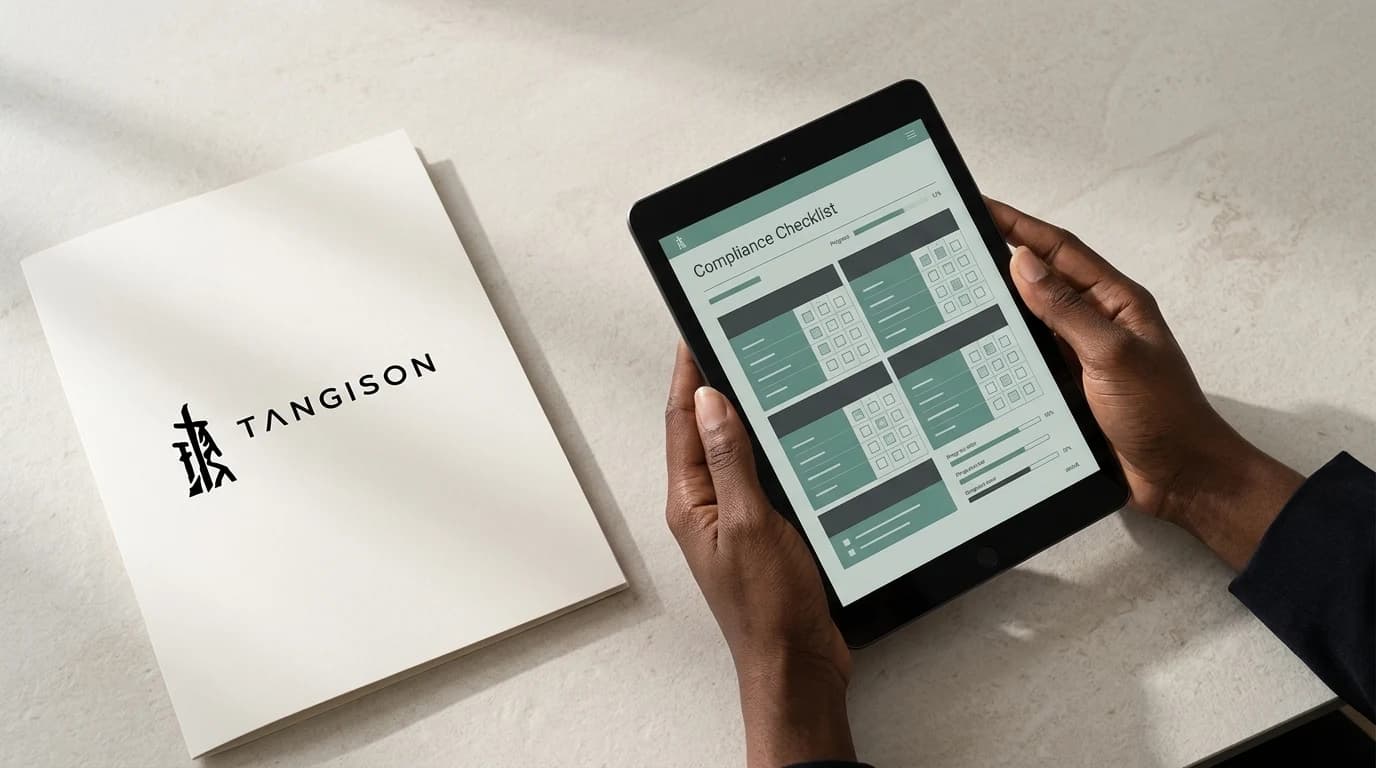
We turn the stack into a system in phases, so the operation never stops while it changes. Forms become digital, approvals carry an audit trail, and the record becomes something a person can search instead of something a person remembers.
The measure of success is not the software. It is whether your team keeps up, without overtime, on the heaviest day of the month.
Where it sits. Registered under Digital Transformation Services on the legal record. The company page carries the registration detail in full.
What gets delivered
- Process mapping, on paper first, with the team that runs it
- Digital forms and approval chains with a full audit trail
- Records that are searchable, exportable, and backed up
- Phased rollout alongside the paper process, never instead of it
- Team handover with the old and new paths documented side by side
Case study
Times of Namibia gazette compiler
For one of Namibia's national newspapers, the weekly print gazette and the real-time digital portal run from one editorial pipeline. The compilation work that was manual becomes a process the newsroom keeps up with.
The engagement is real and its status is stated plainly: the rollout is planned for 2027.
Planned rollout: 2027.
timesofnamibia.com

Related
Other ways we help.
- Move off spreadsheets into a system that doesn't fall over under real use.
- Get your data working for you instead of sitting in a folder nobody opens.
- Keep your systems running when the internet drops or the power doesn't cooperate.
- Get a straight answer on which tech decision actually holds up under scrutiny.