







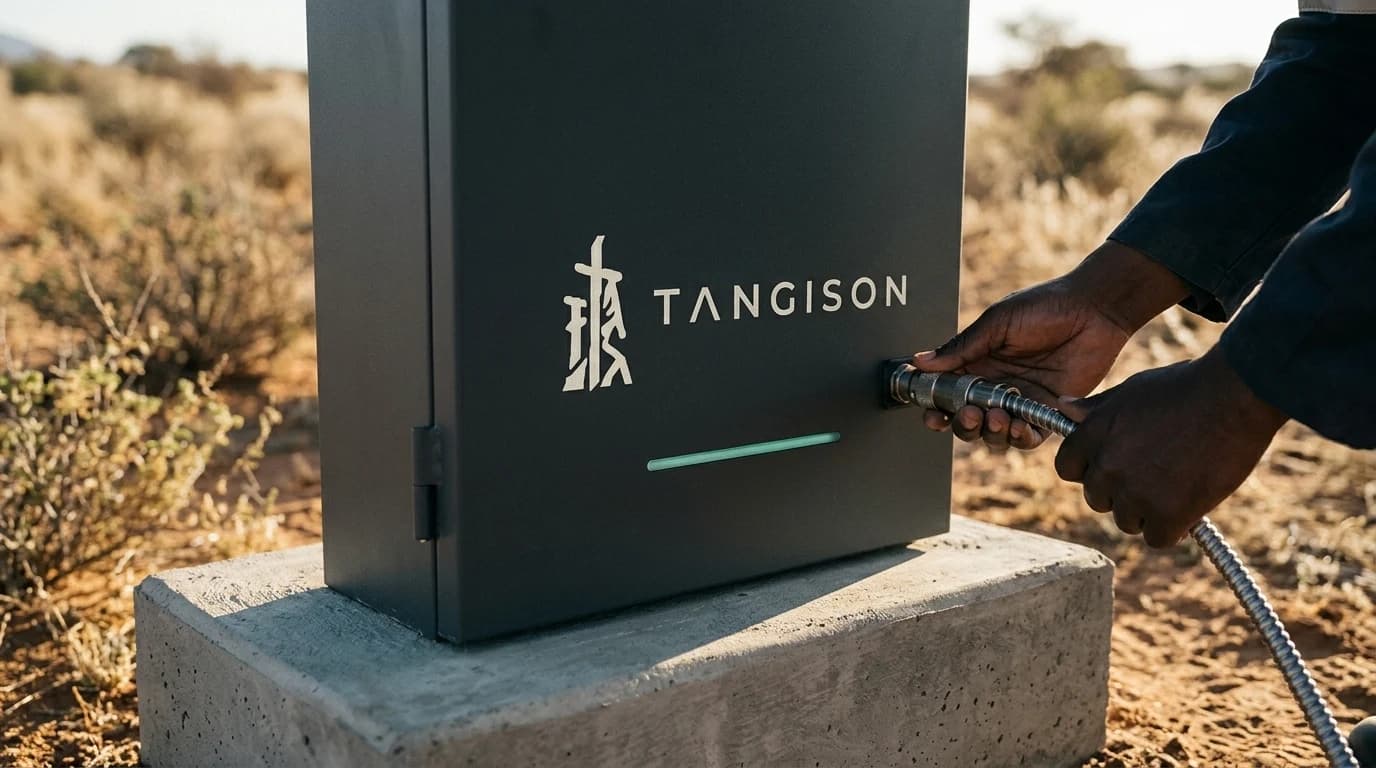






Prototype an idea fast enough to know if it's worth building for real.
The cheapest time to cancel an idea is before you have paid for all of it.

The story
The expensive version of prototyping is the one that proves the easy part: a polished demo of the workflow everyone already understands, while the one risky assumption stays untested behind it.
We build the risky part first. A working slice that exercises the hardest technical assumption, in-house, before a client pays for discovery. Then the decision is honest: build it for real, reshape it, or stop, with the reasons written down.
Our own product line runs this way. The active in-house build, Hola Credit, prototyped before it committed. Feorm shipped as a full system, ran its course, and had its status stated when it ended.
Where it sits. Registered under Research and Development on the legal record. The company page carries the registration detail in full.
What gets delivered
- The hard assumption identified in writing, first
- A working prototype that exercises it, not a demo around it
- A build, reshape, or stop recommendation with reasons
- The path to production scoped, if the answer is build
- In-house prototyping, so the client pays for conclusions, not experiments
Case study
Hola Credit, and the delivered Feorm
Hola Credit, the active in-house project, is unclassified and builds in the open: prototype first, decide on evidence. Its live domain is public.
Feorm, the agrotourism and equipment rental marketplace, went through the full path: built, delivered, and later discontinued, with the status stated rather than quietly dropped.
Hola Credit active. Feorm delivered and discontinued.
hola.tangison.com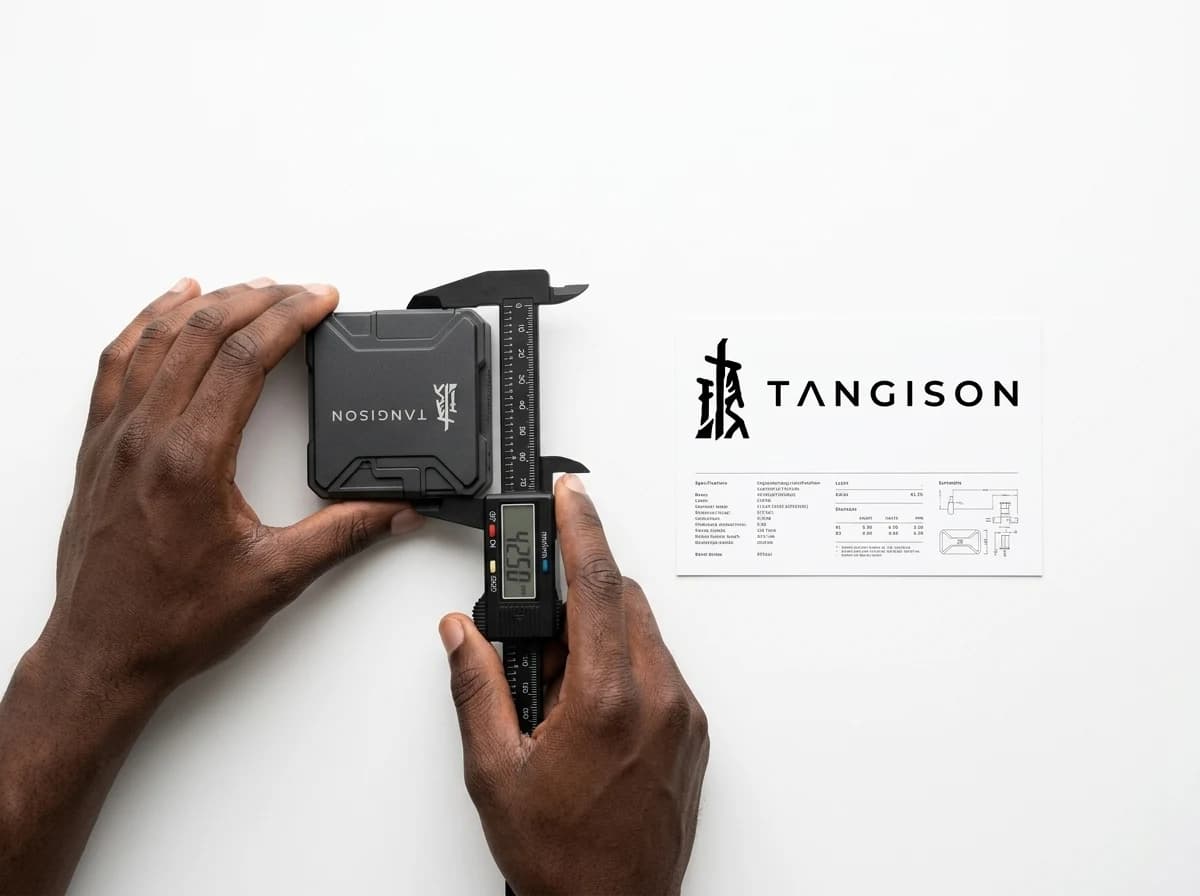
Related
Other ways we help.
- Build an AI tool that does one job well instead of promising to do everything.
- Get a system built in-house that no off-the-shelf tool quite does for your business.
- Keep your systems running when the internet drops or the power doesn't cooperate.
- Set up infrastructure that doesn't assume fast, always-on connectivity.